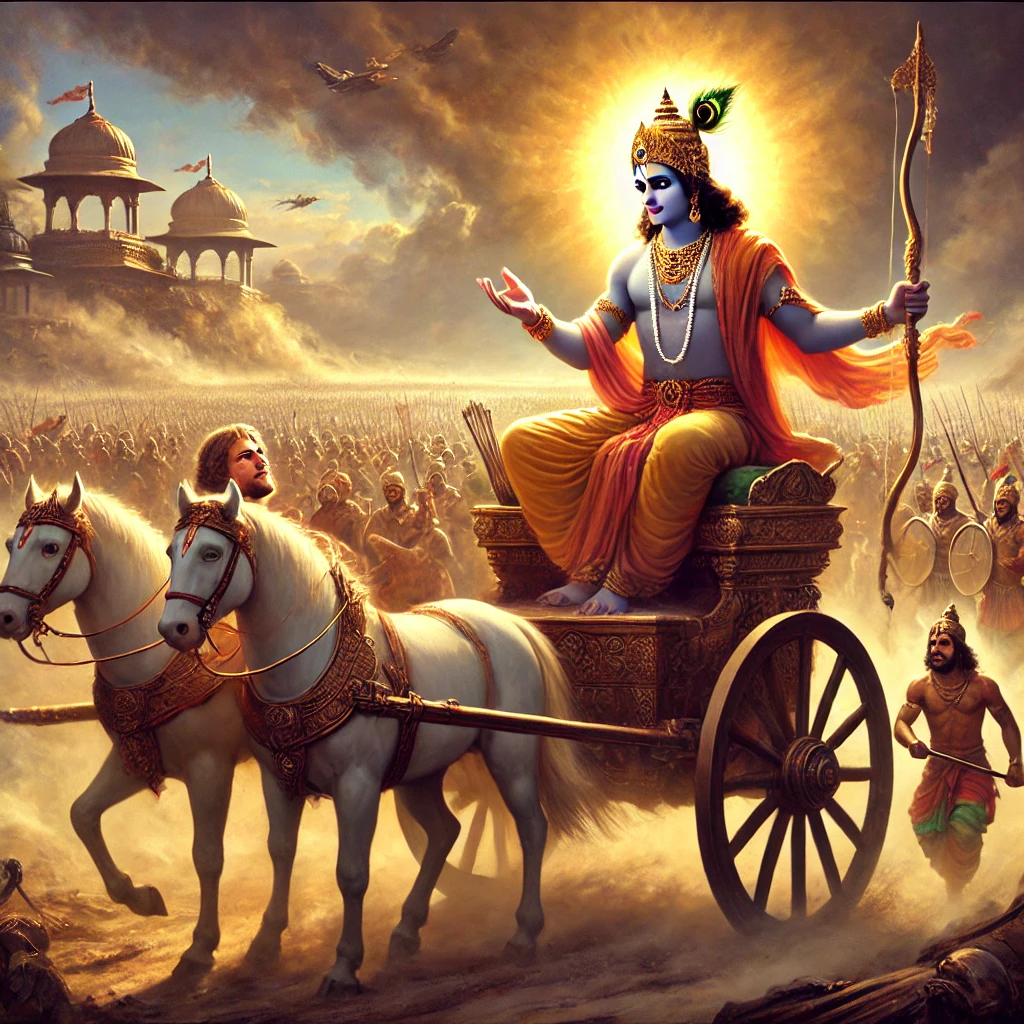
Introduction The Mahābhārat is not only a grand epic of dharma, war, philosophy, and human complexities — it is also a remarkable ecological document. The text is filled with detailed references to forests, herbs, trees,…
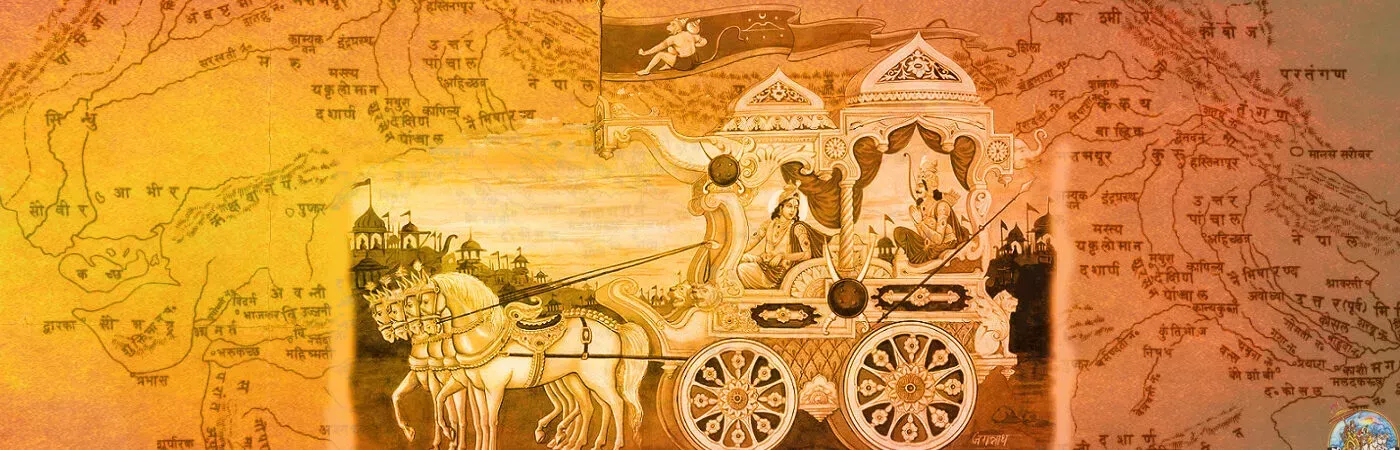
The Mahabharat is not just an ancient story; it is the civilizational backbone of Indian culture, ethics, and philosophy. For thousands of years, the epic has shaped how Indians view duty, justice, family, conflict, and…
The Gita Mahotsav, also known as the International Gita Mahotsav, is one of India’s most significant spiritual and cultural festivals, celebrated each year with great devotion in Kurukshetra, Haryana—the sacred land where Lord Krishna delivered…
Gandharva Vivaha is one of the eight classical forms of Hindu marriage mentioned in the Dharmashastra texts. Unlike other forms that emphasize social approval, ritualistic procedures or family negotiations, Gandharva Vivaha is rooted in mutual…
The story of Angulimal is one of the most powerful tales of transformation in Indian and Buddhist history. It shows how even the most violent and feared criminal can change completely through compassion and inner…
Acharya Jinaduttasuri holds an important and respected position in the history of the Śvetāmbara Jain tradition as one of the early Acharyas who helped consolidate monastic discipline, preserve doctrinal clarity, and strengthen the foundations of…
Acharya Hemachandra (1088–1172 CE) stands as one of the greatest polymaths in Indian history and one of the most illustrious Jain Acharyas of all time. Revered as “Kalikal Sarvagya”—the Omniscient of the Kali Yuga—he was…
Acharya Suhastisuri occupies a distinguished place in the early history of Jainism as one of the most revered monks who shaped the ascetic discipline, ethical conduct, and organizational structure of the Jain sangha after the…
The Gupta Empire (c. 320–550 CE) is widely regarded as the Golden Age of India because nearly every field—literature, mathematics, astronomy, metallurgy, administration, trade, arts, and social well-being—reached extraordinary heights. This FAQ-style article answers every…
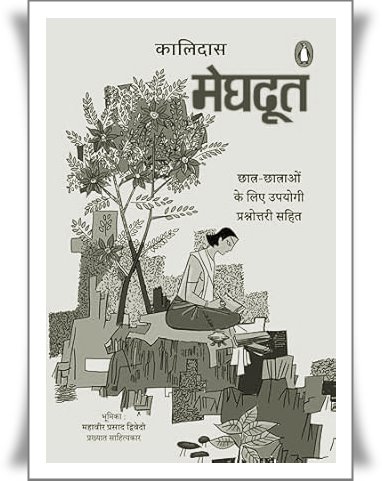
Kalidas is widely celebrated as one of the greatest literary artists in Indian history. Often called the Shakespeare of India (though Shakespeare should be called Kalidas of Europe), he mastered the art of expressing human…