Introduction Among the countless disciples who followed the path of the Buddha, Mahākāśyapa stands out as a symbol of deep spiritual austerity, purity, and dedication to truth. Revered as the first great patriarch of the…
Introduction Among the many noble disciples of Gautama Buddha, none is remembered with greater affection and reverence than Ānanda. Known as the Buddha’s personal attendant and cousin, Ānanda’s devotion, humility, and unmatched memory ensured that…
Introduction Among all the brilliant disciples of Gautama Buddha, Sāriputta (Sariputra) shines as the embodiment of wisdom (paññā). Revered as one of the Buddha’s two chief disciples, alongside Mahā Moggallāna, Sāriputta was not only a…
Introduction Among the shining stars of the Buddha’s disciples, Mahā Moggallāna (Mahā Maudgalyāyana in Sanskrit) stands out as the embodiment of meditative mastery and spiritual power. Together with Sāriputta, he was one of the Buddha’s…
Introduction In the vast landscape of Buddhist philosophy, few names shine as brightly as Nāgārjuna (circa 150–250 CE). Often hailed as the “Second Buddha”, Nāgārjuna was not only a saintly monk but also one of…
Introduction If Nāgārjuna was the architect of Mahāyāna philosophy, Āryadeva was its master builder. Revered as Nāgārjuna’s chief disciple, Āryadeva played a pivotal role in systematizing and defending the profound insights of the Madhyamaka (Middle…
Introduction Among the towering figures of Buddhist philosophy, Ācārya Asaṅga (4th century CE) occupies a unique place as the founder of the Yogācāra (Cittamātra or Mind-Only) school and one of the greatest spiritual psychologists in…
Introduction Few names in the history of world philosophy command the reverence accorded to Vasubandhu (circa 4th–5th century CE). Known as the “Second Teacher of the Dharma” after the Buddha himself, Vasubandhu stands at the…
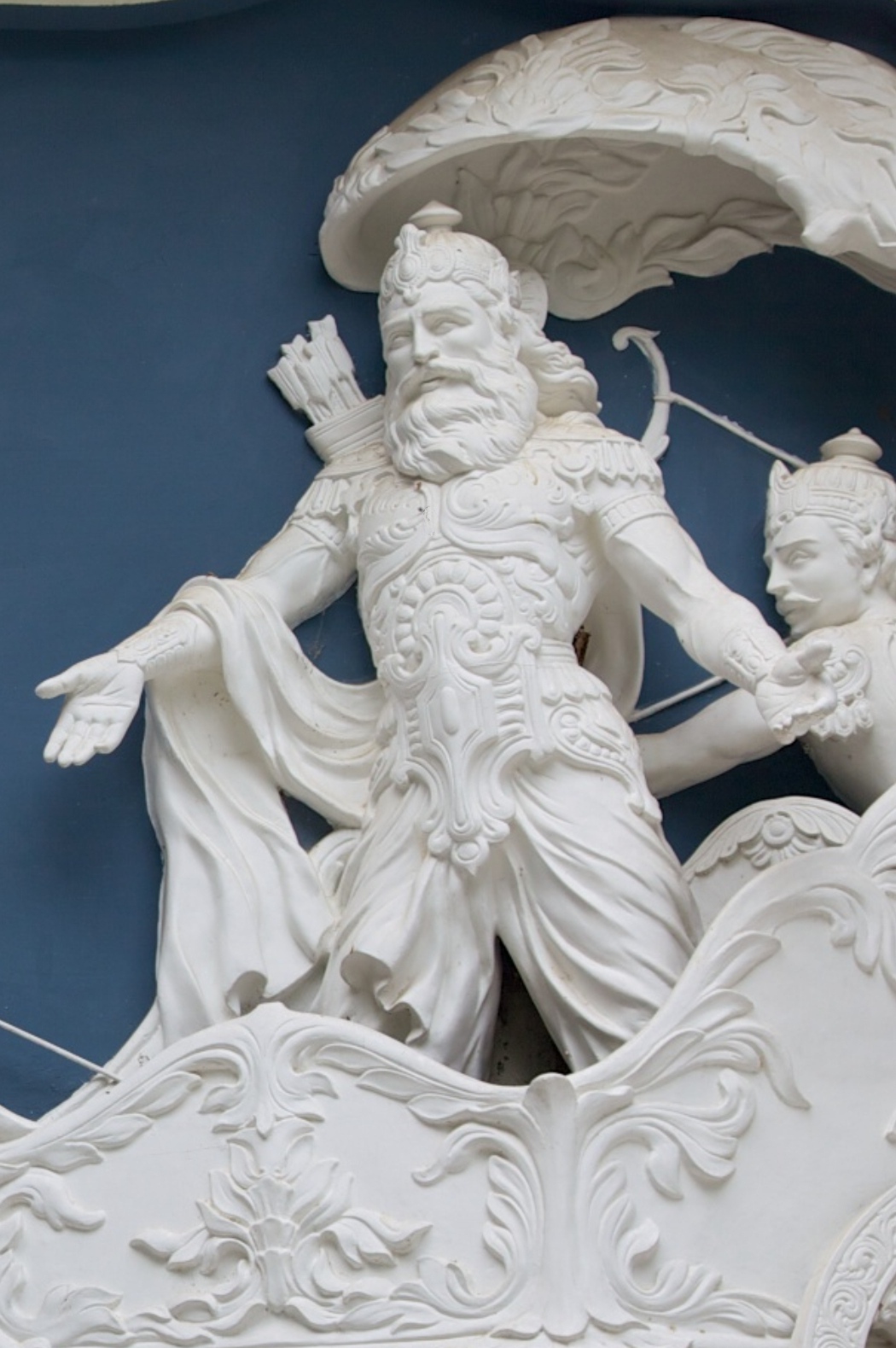
1. Who was Bhishma Pitamah in the Mahabharata? Bhishma Pitamah, originally named Devavrata, was one of the central and most revered figures in the Mahabharata. He was the son of King Shantanu and Goddess Ganga,…
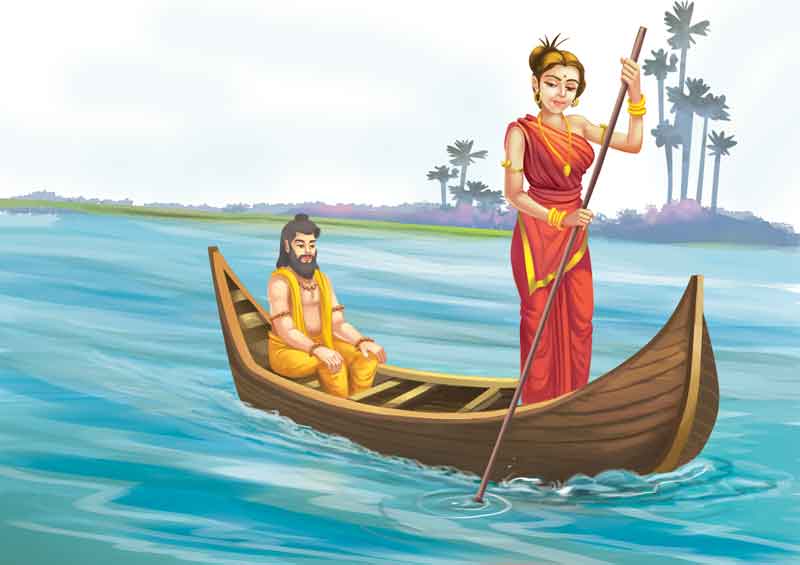
1. Who was Satyavati in the Mahabharata? Satyavati was one of the most influential female figures in the Mahabharata. Born as the daughter of a fisherman, she rose to become the Queen of Hastinapur and…