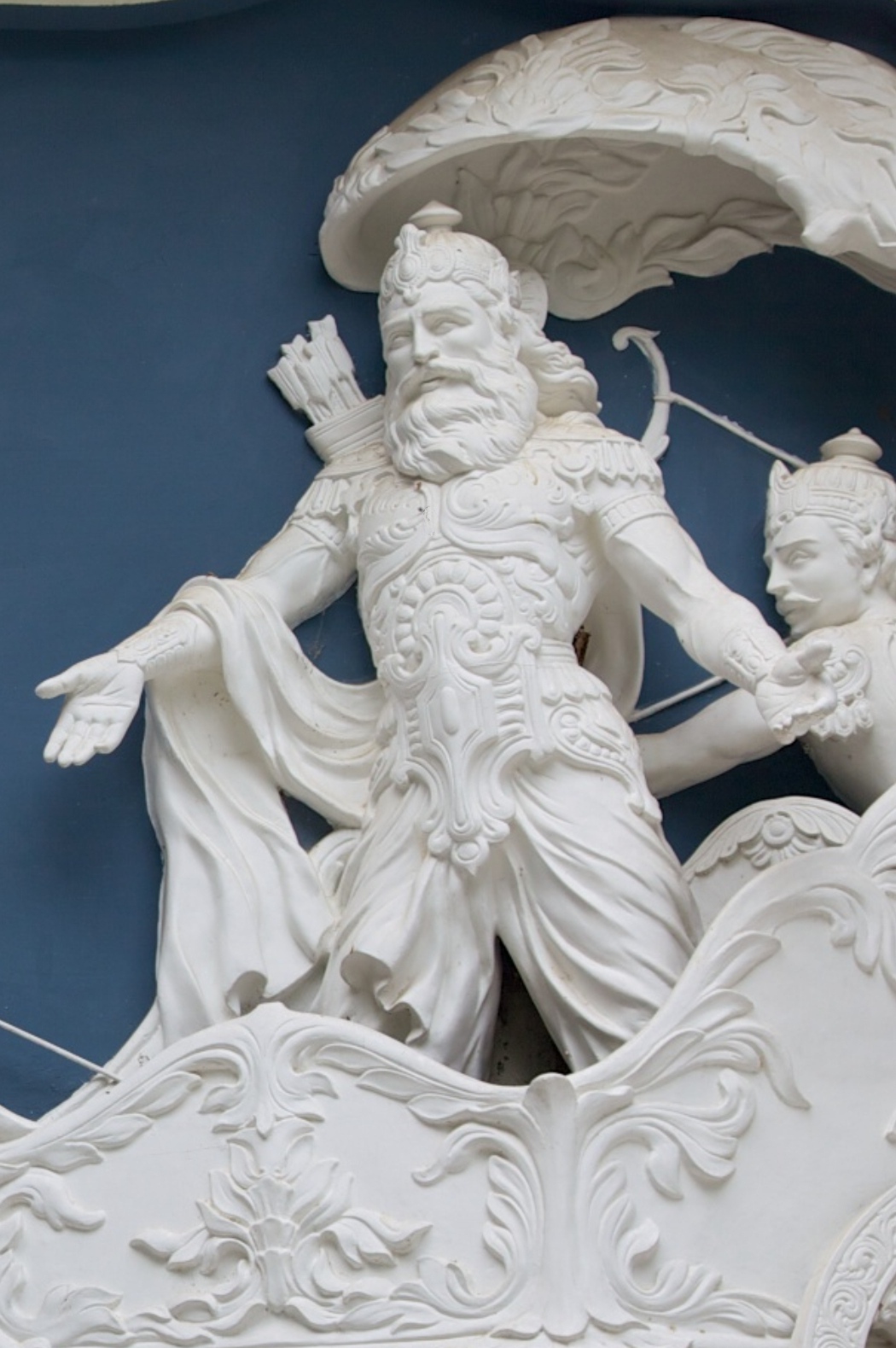
1. Who was Bhishma Pitamah in the Mahabharata? Bhishma Pitamah, originally named Devavrata, was one of the central and most revered figures in the Mahabharata. He was the son of King Shantanu and Goddess Ganga,…
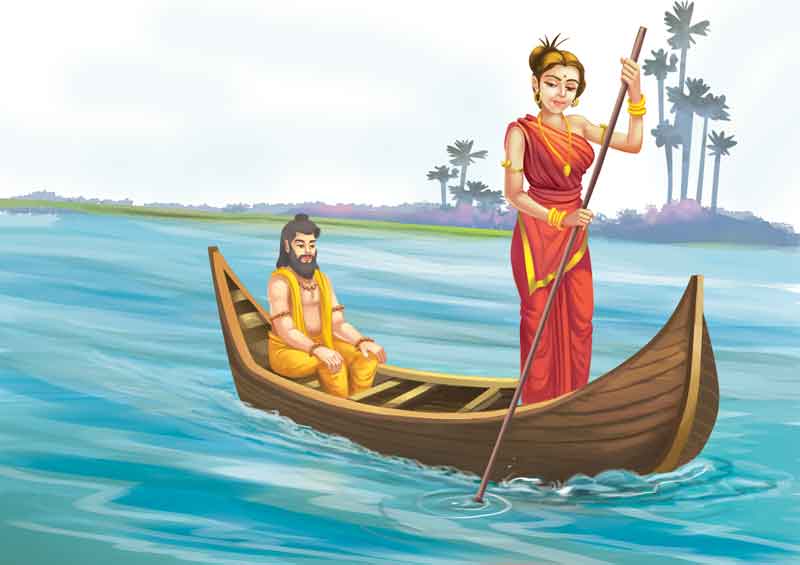
1. Who was Satyavati in the Mahabharata? Satyavati was one of the most influential female figures in the Mahabharata. Born as the daughter of a fisherman, she rose to become the Queen of Hastinapur and…
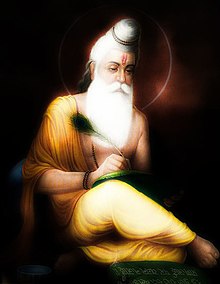
1. Who was Ved Vyasa in the Mahabharata? Ved Vyasa or Krishna Dvaipayana Vyasa, is one of the greatest sages in Hindu tradition and the central literary and spiritual figure behind the Mahabharata. He was…
1. Who was King Shantanu in the Mahabharata? King Shantanu was one of the most respected rulers of the Kuru dynasty, which ruled from Hastinapur. He was the father of Bhishma and the great-grandfather of…
Introduction Among the many fascinating characters in the Mahabharata, few are as notorious as Kichaka, the arrogant general of the Matsya Kingdom. His story, though relatively short in the epic, leaves a lasting impression as…
Introduction Among India’s lesser-known yet most culturally profound communities are the Charans and Bhats — hereditary poet-historians, genealogists, and bards who have preserved centuries of oral tradition. Their verses, genealogies, and narratives not only kept…
The Mausala Parva: The Tragic End of the Yadava Dynasty The Mausala Parva is one of the most poignant and philosophical sections of the Mahabharata, marking the final act in the grand drama of Dvapara…
Among the earliest and most profound treatises of Ayurveda, Bhela Saṃhitā occupies a special yet often overlooked place. It is one of the foundational texts of ancient Indian medicine, attributed to Ācārya Bhela, a direct…
The Charaka Saṃhitā stands as one of the most comprehensive and revered texts of Ayurveda, India’s ancient medical science. It is not just a book of medicine—it is a complete philosophy of life, health, and…
Introduction The ancient civilization of India revered knowledge (jnana) above all worldly possessions. From the courts of kings to the hermitages of sages, philosophical debates (shastrartha) were sacred instruments to uncover truth, not merely to…